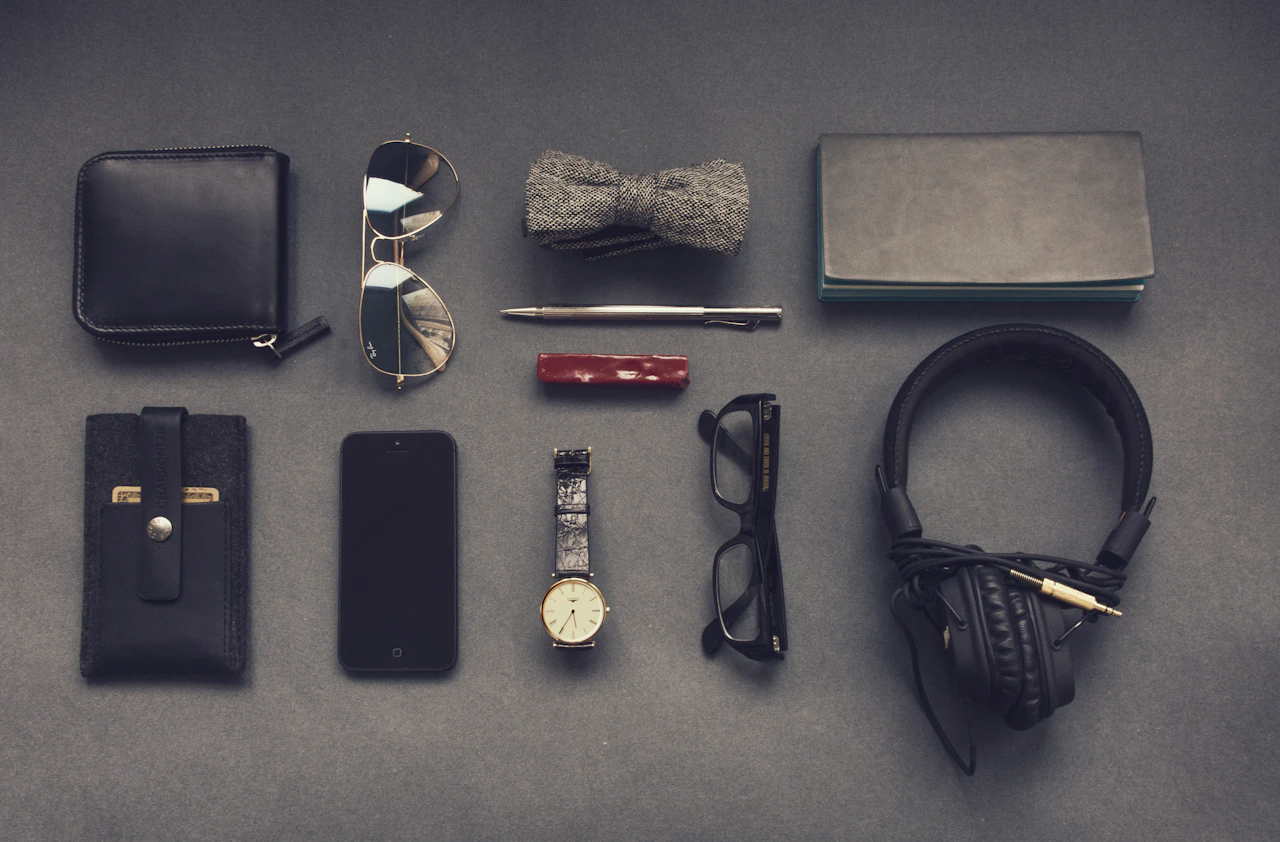
Minimalism isn't about having less for the sake of it — it's about choosing better. For the yoga practitioner who wants a tidy home, a focused practice, and accessories that actually add value, selecting the right essentials matters. This guide helps you trim the excess and select the few yoga must-haves that improve alignment, comfort, and consistency without cluttering your space.
Throughout this article you'll find practical selection criteria, space-saving strategies, material and sustainability guidance, budget-friendly bundle tips, travel-focused options, and step-by-step recommendations for building a minimalist kit. For context on how minimalism can be applied to other aspects of life and work, see our piece on digital minimalism — the same principles apply: focus, remove friction, and keep only what serves your goal.
1. The Minimalist Mindset: Principles that Guide Accessory Selection
Function over novelty
When choosing accessories, ask: does this product materially improve my practice or lifestyle? Avoid impulse buys driven by trends. Accessories that serve multiple functions, like a strap that doubles as a carry loop for travel, deserve priority.
Quality, not quantity
Invest in a single durable item rather than several poor-quality ones. High-quality pieces often last years and are more sustainable — a mat with superior grip and durability, for example, reduces the need to replace it frequently. To understand market signals that affect material choices, read our analysis of cotton market insights, which explains why material sourcing can influence price and availability.
Multi-use and space-saving
Minimalism favors items that pull double duty. A block used for supports can also prop up hips during restorative poses or act as a small seat for meditation. For more on choosing compact travel-friendly gear, check our roundups of essential travel accessories and how to shop smart for travel essentials — many of the same space-saving principles apply to yoga accessories.
2. What Counts as an “Essential” Accessory?
The triage test
Ask three questions for each item: Will I use it weekly? Does it reduce discomfort or injury risk? Can it replace two or more other items? If yes, it's a strong candidate.
Core essentials list
We recommend starting with five items: a high-quality mat, a lightweight towel (if you sweat), one yoga block, one strap, and a compact carrier. These five items cover alignment, grip, padding, and transport.
Nice-to-haves (use sparingly)
Blankets, bolsters, and sandbags are wonderful for restorative practice but optional if you want a minimalist setup. If space allows, choose one multi-use blanket that doubles as a mat topper or cushion.
3. The 7 Essential Accessories (and why each matters)
1) The mat: foundation of the practice
The mat is non-negotiable. It provides traction, cushioning, and defines your practice area. You don't need the thickest or most expensive mat — you need one matched to your type of practice (hot yoga, vinyasa, restorative). For tips on balancing cost and performance, see our guide to budget travel essentials which includes shopping strategies relevant to seeking value in mats and accessories.
2) A lightweight, absorbent towel
Essential for hot or sweaty practices. A microfiber towel that fits over your mat increases safety by managing slip and is easy to wash and store.
3) One yoga block
Blocks support alignment and accessibility. Choose a size and material (cork or EVA foam) that works for your style; cork offers greater grip and eco-credentials.
4) One strap
Straps extend reach and enable safer stretching. A 6–8 foot cotton or recycled strap with a durable buckle is all most practitioners need.
5) A compact carrier or tote
Protects and stores your mat while doubling as a bag for post-practice errands. Look for a minimal design with a secure strap and optional interior pocket.
6) A small multipurpose blanket
Great for warmth during meditation, padding under knees, or as a mat topper. One lightweight muslin or recycled-cotton blanket covers many bases. If you like repurposing, explore ideas on upcycling muslin to transform old textiles into useful props.
7) A simple carry sling or strap for travel
When you travel with a mat, a removable sling keeps things compact and avoids bulky bags. For travel strategy and compact packing tips, our advice in multiview travel planning highlights how planning reduces packing waste and makes travel lighter.
4. How to Choose Each Essential: Selection Criteria and Examples
Choosing the right mat
Decide based on: thickness (1.5–6 mm range), texture (stickiness), material (PVC vs TPE vs natural rubber vs cork), weight, and packability. If you prioritize sustainability, research materials and certifications; learn why cotton and natural fibers fluctuate by reading seasonal cotton buyer analysis to understand pricing and sourcing impacts.
Blocks and straps: materials and feel
Blocks: EVA foam is light and soft; cork is heavier but grippy and durable. Straps: cotton webbing vs recycled polyester — cotton is traditional and comfortable, recycled polyester offers durability. Combining one cork block and one cotton strap covers most needs.
Towels, blankets and carriers
Choose quick-drying towels and breathable blankets. For sustainable picks, consider recycled blends or upcycled fabrics; learn how sustainable consumer choices are shaping other industries in our piece on sustainable eyewear.
5. Space-Saving Hacks: Store, Stow, and Streamline
Designate a vertical storage spot
A single hook for your mat and a small shelf for blocks keeps everything accessible without dominating a room. Vertical storage protects your mat's foam structure by avoiding long-term compression.
Use stackable, multifunctional props
Choose a block that stacks under a bench or sits on a shelf; a folded blanket that doubles as decor reduces clutter. If you love the ambiance, consider subtle gym lighting ideas like those in creative lighting for workout spaces to create a practice corner without adding furniture.
Minimalist bag organization
Keep only the essentials in your mat bag: towel, strap, and keys. A small zippered pocket for a phone or wallet avoids extra pouches.
6. Materials, Durability & Sustainability: What to Look For
Eco options and trade-offs
Natural rubber and cork are more sustainable than many PVC mats, but can be heavier and less packable. Recycled materials offer lower environmental impact but check for durability. For context on how sustainability trends affect consumer markets, refer to sustainable dining trends — the consumer demand story is similar across categories.
Certifications and what they mean
Look for certifications (OEKO-TEX, GOTS for cotton, FSC for cork) as evidence of non-toxic processing or responsible sourcing. Certifications aren't perfect, but they reduce unknowns and help make better choices.
Longevity equals sustainability
A longer-lasting mat reduces replacement frequency and environmental burden. Prioritize repairable or recyclable components. For a broader view of how product life and market forces interact, see our article on cotton market insights.
7. Bundles, Budgeting & Smart Buying
When bundles make sense
Bundled kits that include a mat, strap, block, and towel can be an economical way to build a starter set, especially if the included items meet your quality standards. However, check individual item specs — a cheap mat in a bundle can be a false economy.
How to set a budget
Allocate most of your budget to the mat (40–60% of spend), then split the rest across one block, one strap, and a towel. If you want a premium mat, economize elsewhere.
Where to find deals
Seasonal sales, outlet sections, and manufacturer bundles are smart ways to save. For travel gear, our budgeting tips in shop smart: top travel essentials apply: timing your purchase and comparing bundles matters.
8. Travel & On-the-Go: Minimal Kits for the Road
Pack light, practice anywhere
For travel, prioritize a thin, rollable mat or a packable yoga mat towel. A strap that doubles as a belt for carrying the rolled mat is ideal. Research from multiview travel planning shows how planning helps minimize both luggage and decision fatigue.
What to leave at home
Leave bolsters and bulky blankets unless you can source them locally. Instead carry a lightweight multipurpose blanket or towel that serves as padding and warmth.
Tech and audio for mindfulness
If you use guided practices, choose compact audio gear. For guidance on choosing space-efficient audio that still performs, see our suggestions in future-proof audio gear and how good headphones improve remote experiences. Compact wireless earbuds or light over-ear headphones can double for travel and practice.
9. Care, Maintenance & Extending Lifespan
Daily care
Wipe down your mat and towel after sweaty sessions. Allow mats to air dry flat if possible; avoid prolonged sun exposure which degrades rubber and dyes.
Deep cleaning
Follow manufacturer cleaning guidance. For mats without machine washability, gentle hand washing with mild soap and air dry keeps them performing longer. Regular care is cheaper than replacement.
Repair and repurpose
When an item is nearing end-of-life, consider repurposing: old towels become cleaning rags; a worn mat can be cut into a non-slip pad. For inspiration on transforming textiles, see upcycling muslin.
10. Minimalist Kit Examples: Build for Your Practice
Daily vinyasa kit (compact, performance-first)
- Medium-grip natural rubber or TPE mat (2.5–3.5 mm)
- Microfiber towel (mat-sized)
- One cork block
- Cotton strap
- Slim mat sling
Restorative/minimal home kit (comfort-focused)
- Thicker natural fiber or rubber mat (4–6 mm)
- Lightweight multipurpose blanket
- Two blocks (stackable)
- Wide strap for gentle support
- Small storage basket
Travel kit (ultralight)
- Foldable travel mat or yoga towel
- Strap that converts to sling
- One foam block or inflatable bolster
- Compact earbuds for guided classes
- Lightweight tote
Pro Tip: If you're unsure which direction to go, try a single high-quality mat and a block for three months. Track how often you use each item — if an accessory isn't used weekly, donate or sell it. This one-month test reduces decision paralysis and prevents clutter accumulation.
11. Comparison: Quick-Reference Table of Essential Accessories
| Accessory | Main Purpose | Space Footprint | Typical Weight | Price Range | Sustainability Notes |
|---|---|---|---|---|---|
| Yoga Mat (travel) | Grip & cushion | Rolls to small tube | 0.5–1.2 kg | $30–$120 | Choose natural rubber or recycled TPE |
| Yoga Mat (home) | Daily practice foundation | Stored flat or rolled | 1–2.5 kg | $40–$150+ | Durable mats are more sustainable |
| Microfiber Towel | Anti-slip, sweat management | Foldable small | 0.1–0.3 kg | $10–$40 | Quick-dry saves washing energy |
| Yoga Block (cork) | Alignment & support | Stackable, small box | 0.5–1.2 kg | $12–$35 | Cork is renewable and biodegradable |
| Yoga Strap | Extend reach, assist stretching | Rolls or folds small | 0.1–0.3 kg | $8–$25 | Cotton or recycled webbing preferred |
12. The Culture of Minimalism: Wider Trends and Why They Matter
Consumer behavior and sustainability
Buyers increasingly favor items that are durable, ethically made, and multifunctional. This shift parallels wider consumer trends in other categories: for instance, the rise of sustainable choices in eyewear and dining shows cross-category momentum. Learn about broader consumer shifts in sustainable eyewear and sustainable dining.
Minimalism beyond gear
Minimalism also includes your class choices and schedule. Streamline your practice by choosing consistent classes or sequences; a curated routine reduces friction and supports long-term habit formation. If you're building a personal brand around your practice or fitness work, some principles overlap — see crafting a personal brand for pointers on focused messaging and identity.
Digital and physical minimalism
Digital minimalism (reducing apps and notifications) frees time and attention for your mat practice. Our article on digital minimalism offers tactics that translate directly — declutter, schedule, and automate where possible.
13. Case Studies: Real-World Minimalist Setups
Case A: The Small Apartment Practitioner
Maria has 300 sq ft and practices 4x/week. She uses a 3 mm natural rubber mat that rolls and hangs on a wall hook, a cork block nested under her bedside shelf, one cotton strap, and a microfiber towel that doubles as a couch throw. Her total kit fits in a small basket. This approach mirrors travel packing strategies discussed in multiview travel planning: plan, compress, and prioritize.
Case B: The Studio Commuter
Jason practices at an urban studio three times weekly. He carries a thin, grippy travel mat in a sling and uses the studio for larger props. He invested in premium earbuds recommended by our audio gear guide for guided sessions and travel.
Case C: The Restorative Home Yogi
Sophia prioritizes restorative practices. She owns a thicker mat, a multipurpose blanket, two blocks, and a strap. She purchased a sustainably made blanket after researching eco-conscious consumer choices like those trending in the beauty and dining industries (online beauty shopping trends and sustainable dining), ensuring long-term use and satisfaction.
FAQ — Minimalist Yoga Accessories
Q1: How many accessories do I truly need to start?
A1: Start with the mat, a block, and a strap. Add a towel if you sweat or practice hot yoga. Use this 2–3 item test for three months to see if additional items are warranted.
Q2: Are cheaper mats acceptable for beginners?
A2: Affordable mats are fine to explore the practice, but prioritize grip and sufficient cushioning to prevent joint strain. If you outgrow a cheap mat quickly, upgrade to a more durable option.
Q3: Which material is best for sustainability?
A3: Natural rubber and cork are strong sustainability choices. Recycled TPE and certified organic cotton are also good. Evaluate end-of-life options when possible (recyclability, compostability).
Q4: How can I limit clutter but still have accessories for different practices?
A4: Use multi-use items and store extras out of sight. Consider borrowing or renting specialty props for occasional needs. Keep a single high-quality item for each function.
Q5: What's the best way to find bundle deals without sacrificing quality?
A5: Compare component specs inside bundles and read independent reviews. Time purchases to end-of-season or holiday sales. For shopping strategies that save money while preserving value, read our travel buying guides like essential travel accessories.
14. Final Checklist: Your Minimalist Buying Flow
Step 1 — Audit
Inventory what you already own. Donate or sell items you don't use weekly.
Step 2 — Prioritize
Choose one item per function (padding, support, reach, transport). Avoid duplicates unless you need them for convenience.
Step 3 — Buy intentionally
Research materials, warranty, and return policies. If you travel, consult travel-savvy packing tips like those in shop smart to make compact choices.
15. Conclusion: Less, But Better
Minimalism in yoga accessories is about amplifying what supports your practice and removing the rest. With a concise kit — a mat, towel, block, strap, and compact bag — you cover most needs for mobility, comfort, and safety. Combine that kit with thoughtful care and occasional upgrades, and you'll have a streamlined, effective practice that fits your life and space.
For ongoing inspiration about how minimalism intersects with travel, sustainability, and lifestyle choices, explore our related pieces on seasonal cotton buying, upcycling textiles, and how audio and tech choices can support mindful practice (audio gear, high-quality headphones).
Related Reading
- App Market Fluctuations - A look at market timing that offers lessons for knowing when to buy gear.
- Quantum Algorithms for Content Discovery - How advanced tools change discovery; useful if you curate digital yoga resources.
- Building an Acne Routine - Personal care routines and consistency: parallels to building a yoga habit.
- A Journey Through the Seas - A creative case study in sourcing and cultural influence that mirrors sustainable sourcing questions.
- E-Bike Innovations - Product innovation and compact design inspiration for thinking about gear evolution.


